Understanding Ingredients in Natural Wet Dog Food
Share
Overview
This article explores the benefits of natural wet dog food and highlights essential ingredients that contribute to your dog's health and well-being. Readers will learn how to choose high-quality wet food, understand nutritional labels, and debunk common myths surrounding wet dog food. By the end, you'll be equipped to make informed decisions that ensure your furry friend enjoys a nutritious and delicious diet.
Table of Contents
- Why Choose Natural Wet Dog Food?
- Key Ingredients to Look For
- 1. High-Quality Protein Sources
- 2. Fresh Vegetables
- 3. Grain-Free Options
- 4. Natural Additives
- 5. No Artificial Preservatives or Fillers
- Nutritional Composition Breakdown
- How to Read Dog Food Labels
- Familiarize Yourself with AAFCO Guidelines
- Check Ingredient Lists
- Look for Nutritional Statements
- The Role of Vets and Nutritionists
- Common Myths About Wet Dog Food
- Myth 1: Wet Dog Food is Only for Picky Eaters
- Myth 2: Wet Dog Food is Too High in Calories
- Myth 3: Grain-Free Means More Nutrients
- Choosing the Right Natural Wet Dog Food
- A Delicious Adventure for Your Dog
Key Takeaways
- High-Quality Proteins: Look for real meat as the first ingredient to ensure your dog receives essential amino acids for muscle development and a healthy coat.
- Fresh Vegetables: Ingredients like carrots and peas provide vital vitamins, minerals, and fiber to support digestion.
- Grain-Free Options: Consider grain-free formulas for dogs with grain sensitivities to reduce the risk of allergic reactions.
- Natural Additives: Ingredients such as glucosamine and omega fatty acids promote joint health and a shiny coat.
- No Artificial Additives: Choose products without artificial preservatives, colors, or fillers for better health outcomes.
- Understand Labels: Familiarize yourself with AAFCO guidelines and check ingredient lists to ensure quality.
- Consult Professionals: Seek advice from veterinarians or pet nutritionists to tailor your dog's diet to their specific needs.
As a loving dog owner, you want only the best for your furry friend, and that includes their food. Natural wet dog food has gained popularity among pet owners for its benefits and wholesome ingredients. But have you ever taken a closer look at the ingredients used in natural wet dog food? Understanding what goes into your dog's food can help you make informed choices. In this article, we will dive into the key ingredients you should look for in natural wet dog food and their potential benefits.
Why Choose Natural Wet Dog Food?
Natural wet dog food has several advantages over traditional dry kibble. Here are some reasons why you might consider switching to natural wet dog food:
- Hydration: Wet dog food contains higher moisture content, which can help keep your dog hydrated, especially important for those who don’t drink enough water.
- Palatability: Many dogs find wet food to be more appealing due to its aroma and flavor.
- Nutritional Benefits: Wet food can be nutrient-dense, providing essential vitamins, minerals, and proteins to support your dog's health.
- Great for Sensitive Stomachs: Natural wet dog food is often easier to digest for dogs with sensitive stomachs or certain food allergies.
Key Ingredients to Look For
When choosing natural wet dog food, here are some key ingredients you should look for:
1. High-Quality Protein Sources
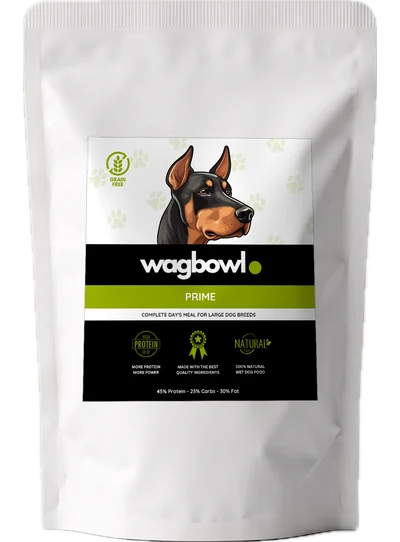
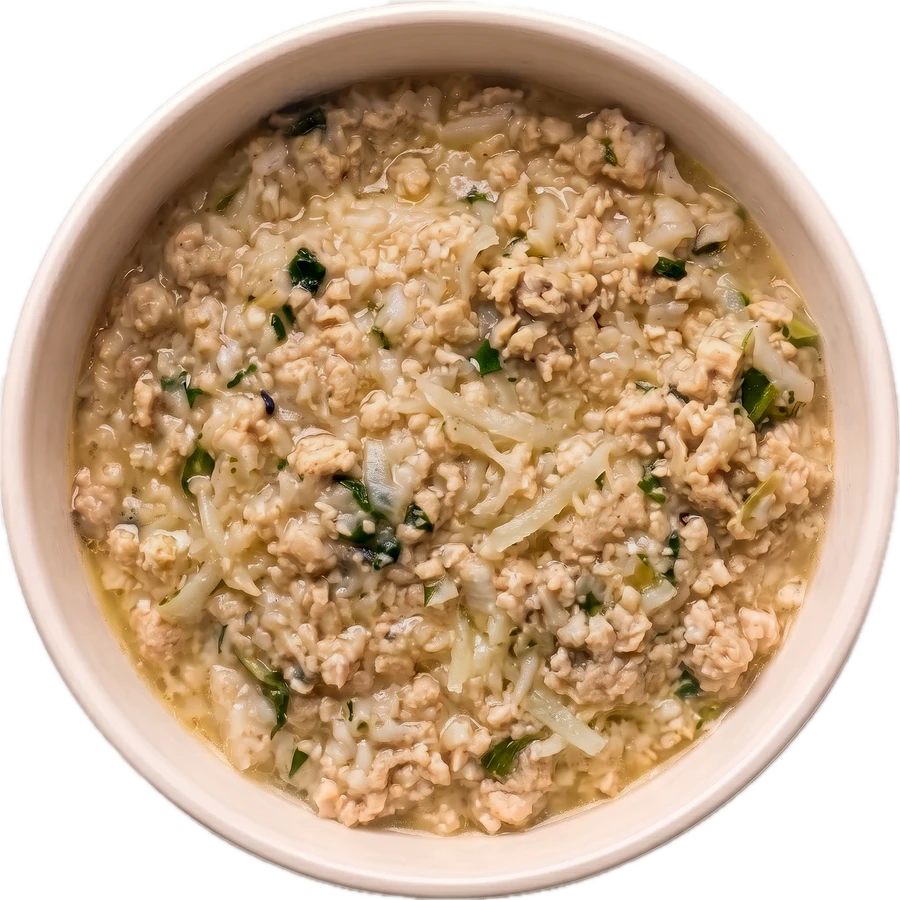
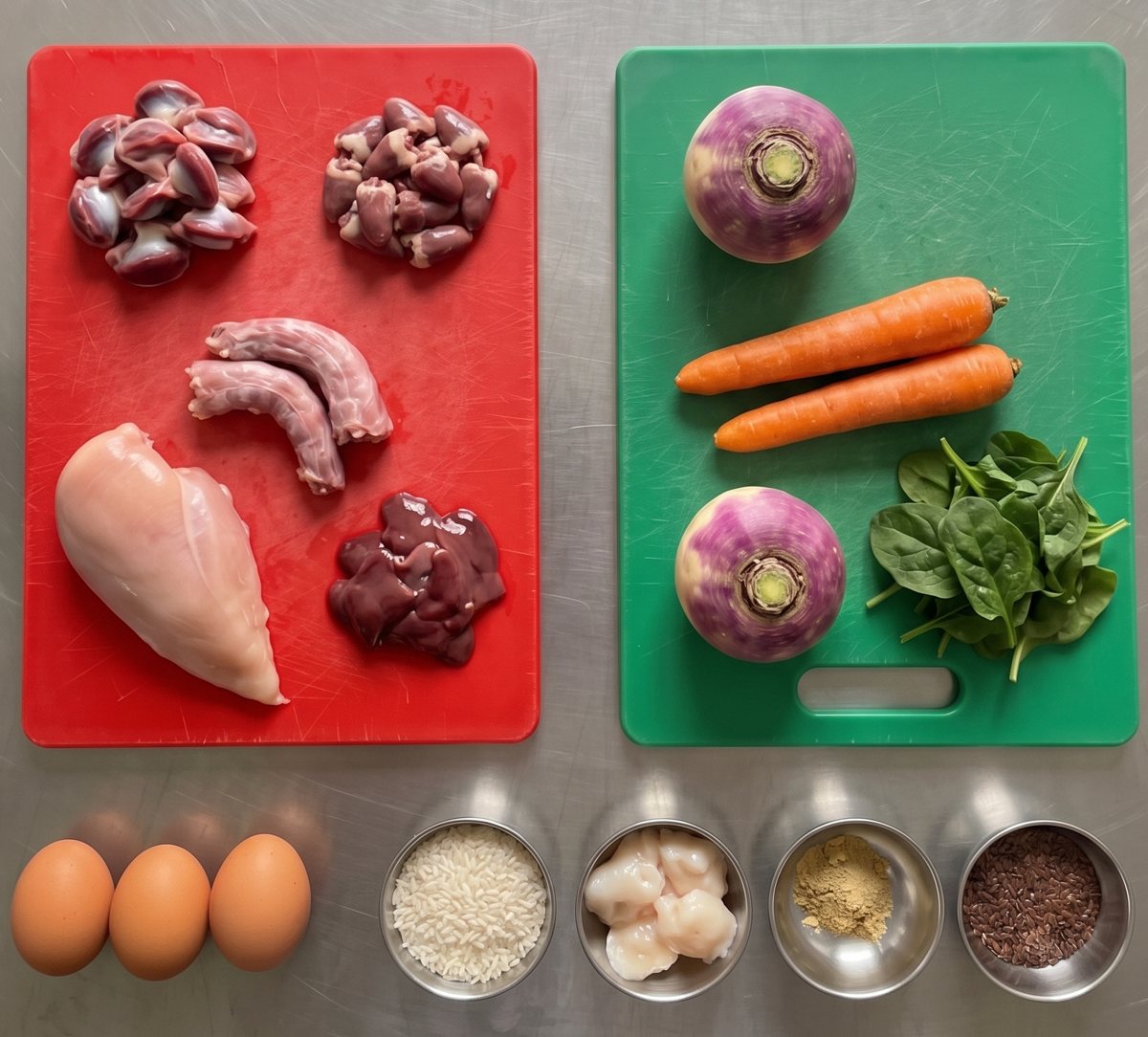
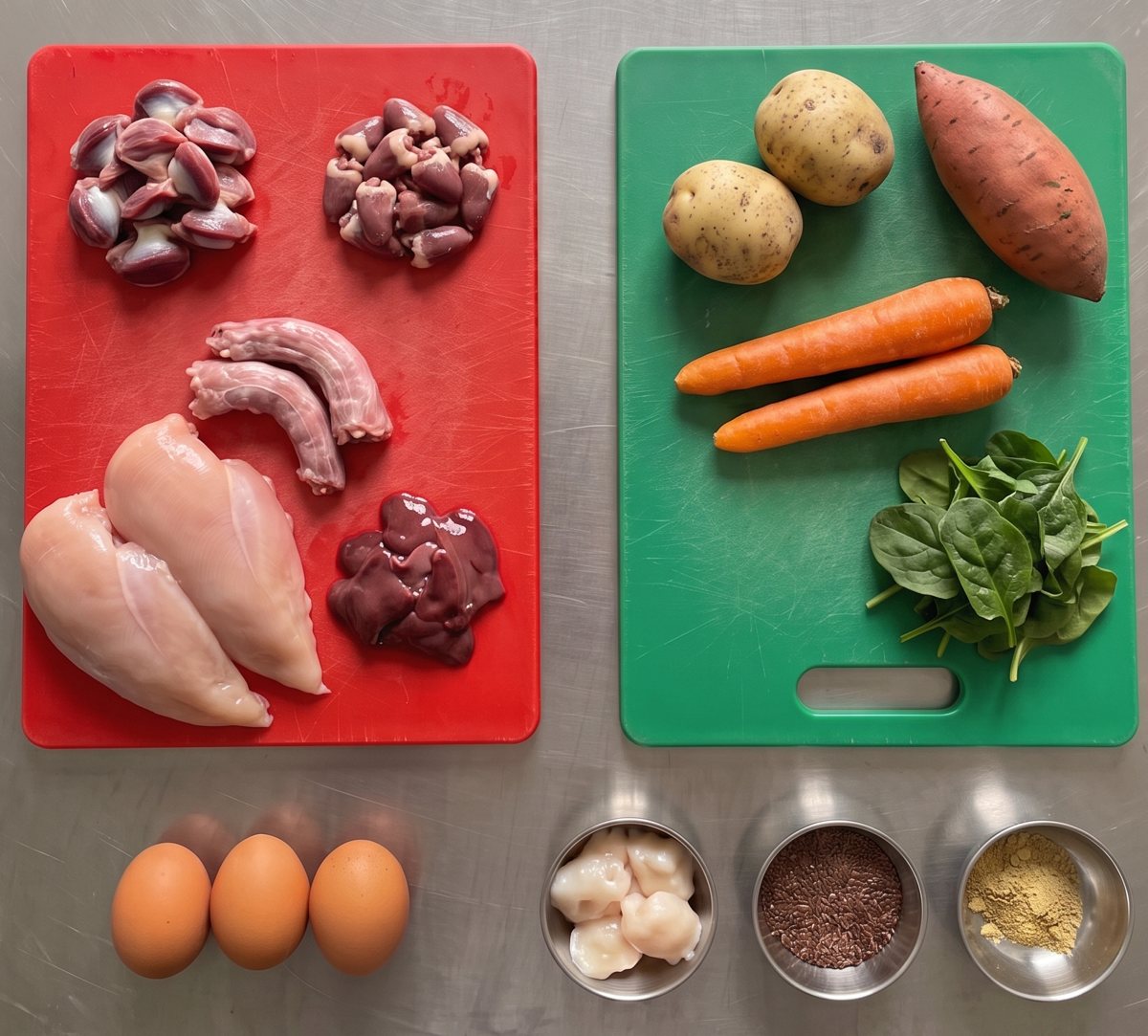
Protein is essential for your dog’s overall health. Look for real meat as the first ingredient. For example, the Premium Chicken Dog Food variety uses premium chicken, a high-quality protein source that is easily digestible and packed with essential amino acids. Real meat not only supports muscle development but also helps maintain a healthy coat and skin.
2. Fresh Vegetables
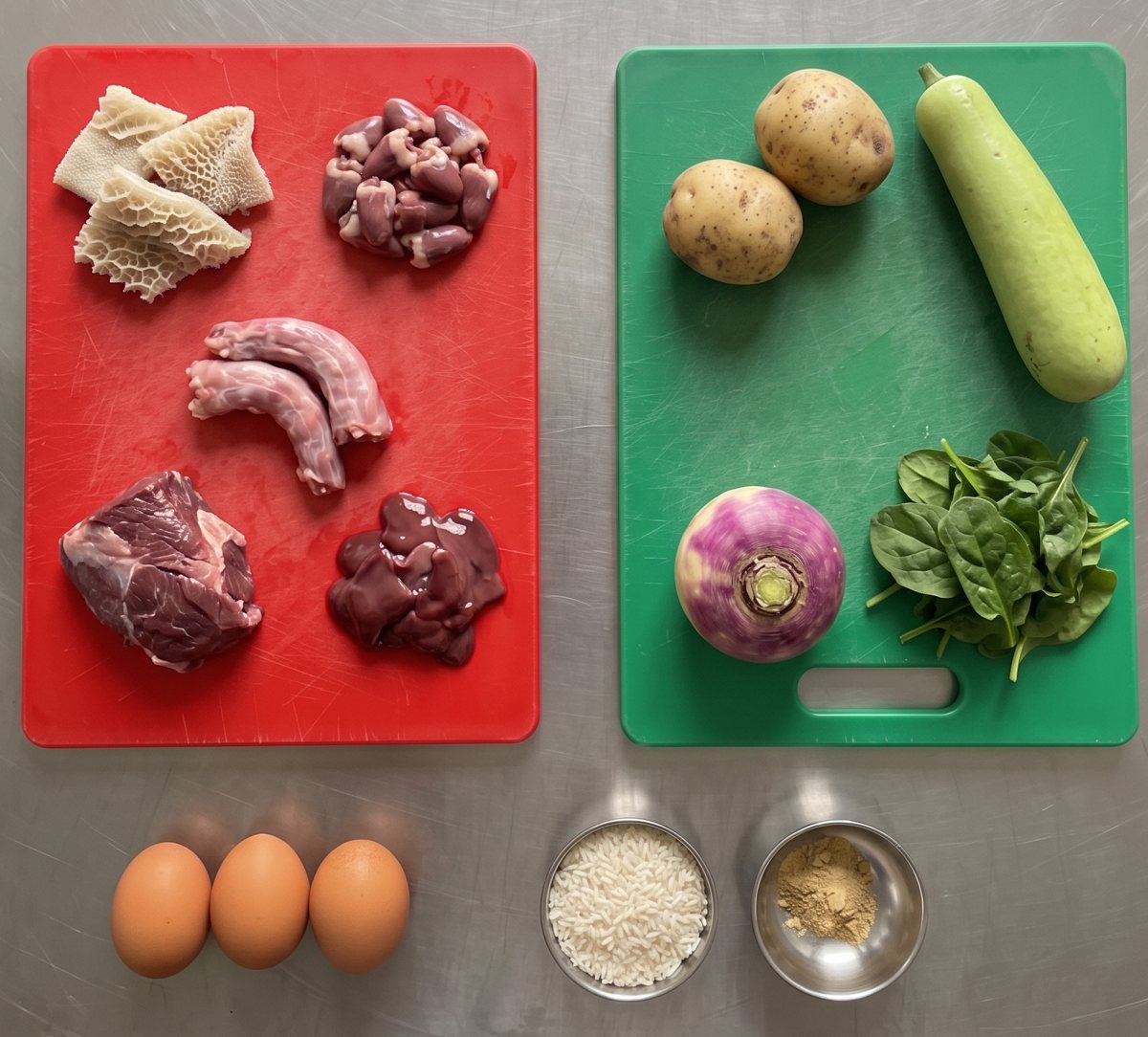
Fresh vegetables are a great addition to your dog’s diet, providing essential vitamins, minerals, and antioxidants. Ingredients like carrots, peas, and sweet potatoes not only enhance the nutritional makeup of the food but also add fiber to support healthy digestion.
3. Grain-Free Options
If your dog has grain sensitivities or allergies, consider grain-free options. Many natural wet dog foods offer formulations without grains, making them easily digestible and less likely to cause allergic reactions. This is particularly beneficial for dogs that are sensitive to common grains like wheat or corn.
4. Natural Additives
Some natural wet dog foods include additives that support various aspects of your dog’s health. For instance, ingredients like glucosamine and chondroitin can promote healthy joints and bone health. Omega fatty acids are beneficial for maintaining a shiny coat and promoting overall well-being.
5. No Artificial Preservatives or Fillers
Choose natural wet dog foods that do not contain artificial preservatives, colors, or fillers. These additives can have negative effects on your dog’s health. Instead, look for foods that use natural preservatives, like tocopherols (vitamin E), to maintain freshness without compromising quality.
Nutritional Composition Breakdown
Understanding the nutritional breakdown of natural wet dog food can help you make smart choices. Here’s a simple table that summarizes the important components you should look for:
| Component | Importance |
|---|---|
| Protein | Supports muscle growth and energy levels |
| Fats | Provides energy, supports skin and coat health |
| Carbohydrates | Provides energy and aids in digestion |
| Fiber | Supports healthy digestion and weight management |
| Vitamins and Minerals | Promotes overall health and immune function |
How to Read Dog Food Labels
Reading dog food labels can be challenging, as marketing terms can be misleading. Here are some tips to help you navigate through the labels:
Familiarize Yourself with AAFCO Guidelines
The Association of American Feed Control Officials (AAFCO) sets guidelines for pet food labeling. Ensure that the dog food you choose meets these standards to guarantee its nutritional adequacy.
Check Ingredient Lists
Ingredients are listed in descending order by weight. The first few ingredients are the most significant and should consist of high-quality sources. As mentioned earlier, look for recognizable ingredients like chicken, fish, and fresh vegetables.
Look for Nutritional Statements
A good dog food label will include a nutritional statement verifying that the product meets AAFCO standards for a complete and balanced diet. If it doesn't include this statement, you may want to reconsider your choice.
The Role of Vets and Nutritionists
Choosing the right diet for your dog can feel overwhelming, especially with so many options available in the market. That’s where the expertise of veterinarians and pet nutritionists comes into play. These professionals can guide you in making the best choices based on your dog's specific needs.
For example, some wet dog foods, such as those made with premium chicken, may be specially formulated based on input from veterinarians and nutritionists to support various health conditions, including grain or beef sensitivities. Always consult with your vet to understand what might be the most appropriate diet for your dog, particularly if they have unique dietary requirements.
Common Myths About Wet Dog Food
Despite its growing popularity, there are numerous myths surrounding wet dog food. Let’s debunk some of them:
Myth 1: Wet Dog Food is Only for Picky Eaters
While it’s true that many dogs prefer the taste and texture of wet food, it’s not just for picky eaters. Wet food is nutritious and offers hydration, which can benefit dogs' health regardless of their eating habits.
Myth 2: Wet Dog Food is Too High in Calories
Wet dog food can be lower in calorie density than kibble, as it's primarily water. It’s important to take serving sizes into account and adjust portions based on your dog's weight and activity level.
Myth 3: Grain-Free Means More Nutrients
While grain-free diets can be beneficial for dogs with sensitivities, it doesn't inherently make the food more nutritious. It's crucial to assess the overall ingredient quality and content.
Choosing the Right Natural Wet Dog Food
With so many choices available, how do you decide which natural wet dog food is right for your pet? Here are some tips to keep in mind:
- Know Your Dog's Needs: Factors such as age, breed, weight, and any health issues should influence your choice.
- Read Reviews: Customer feedback can provide insights into how other dogs have reacted to a specific food.
- Don’t Rush the Transition: If you decide to switch to a new food, do it gradually to avoid stomach upset.
- Consult Professionals: Don’t hesitate to ask your vet or a pet nutritionist for recommendations tailored to your dog's specific needs.
A Delicious Adventure for Your Dog
By learning about the ingredients and benefits of natural wet dog food, you can give your canine companion a diet that caters to their nutritional needs while also tantalizing their taste buds. From premium chicken formulations to fresh vegetables, your dog deserves wholesome, nutritious meals that promote their overall well-being.
Explore your options, consult professionals, and know that every meal is an adventure. With the right food, you can ensure your dog thrives, is happy, and enjoys a life full of tail-wagging joy!
Frequently Asked Questions
1. What are the benefits of natural wet dog food?
2. What key ingredients should I look for in natural wet dog food?
3. How can I read dog food labels effectively?
4. Are there any myths about wet dog food?
5. How can I choose the right natural wet dog food for my pet?
Glossary
| Term | Meaning |
|---|---|
| Natural Wet Dog Food | Moist dog food made with natural ingredients, often more appealing to dogs. |
| High-Quality Protein | Real meat as the primary ingredient, essential for muscle health. |
| Fresh Vegetables | Ingredients like carrots and peas that provide vitamins and fiber. |
| Grain-Free | Dog food options without grains, suitable for dogs with sensitivities. |
| Natural Additives | Ingredients that support health, such as glucosamine for joints. |
| No Artificial Preservatives | Foods without synthetic additives, using natural preservatives instead. |
| AAFCO | The organization that sets guidelines for pet food labeling and nutrition. |
| Nutritional Statement | A label claim verifying that the food meets AAFCO standards. |
| Pet Nutritionist | A professional who provides dietary guidance tailored to pets' needs. |
| Transitioning Food | The process of gradually changing a dog's diet to avoid digestive issues. |
Linked Product

Chicken & Veg
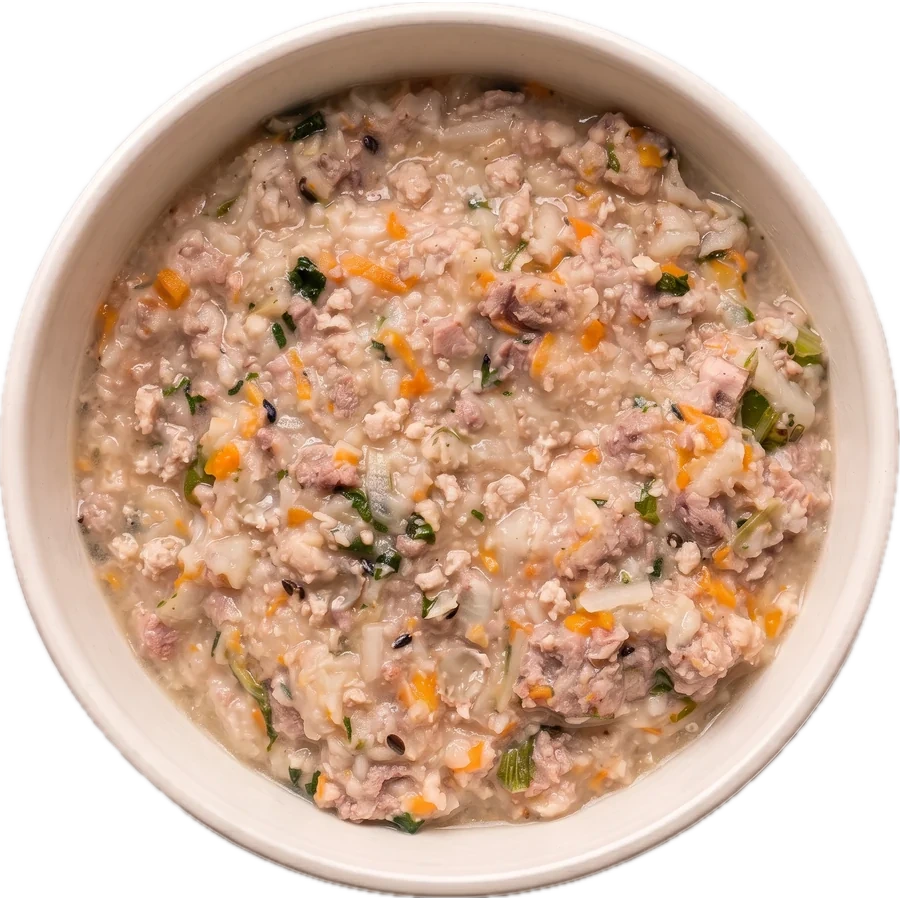
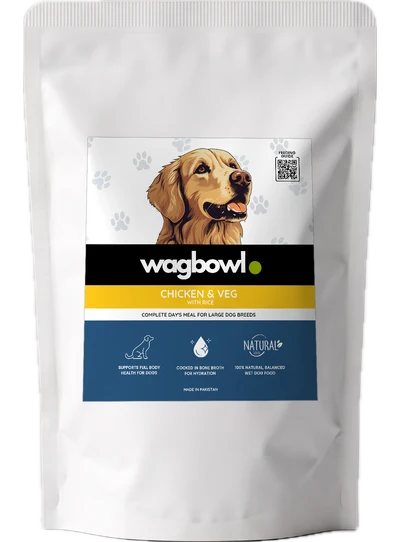
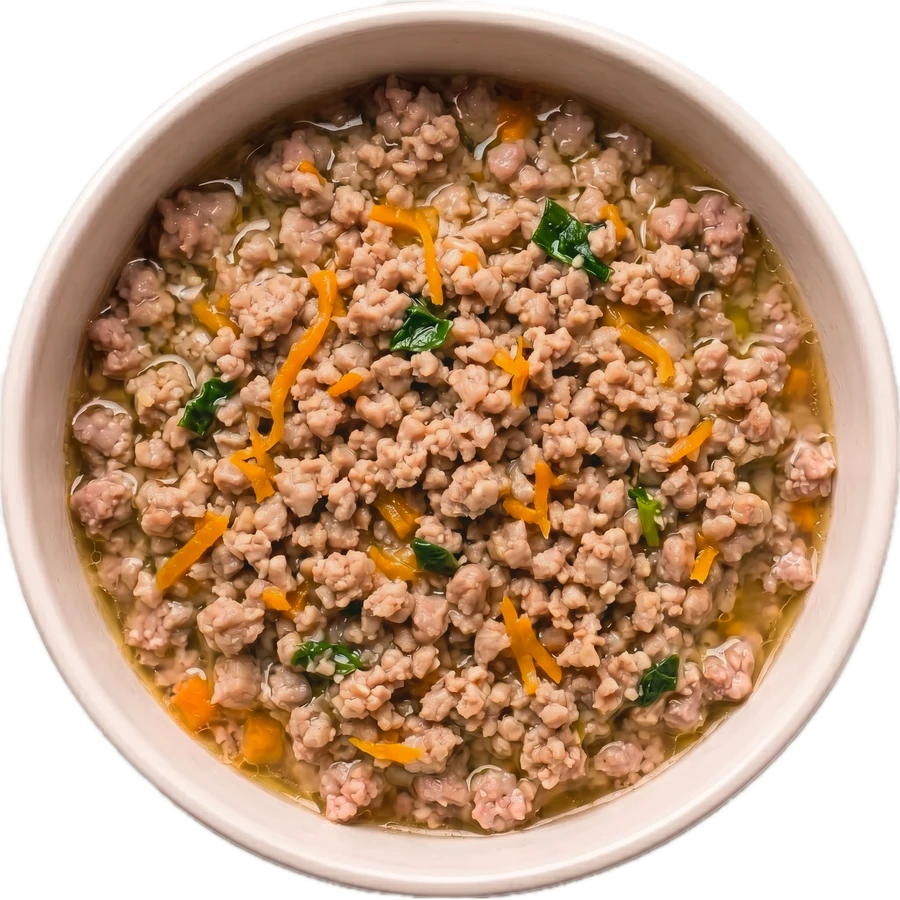
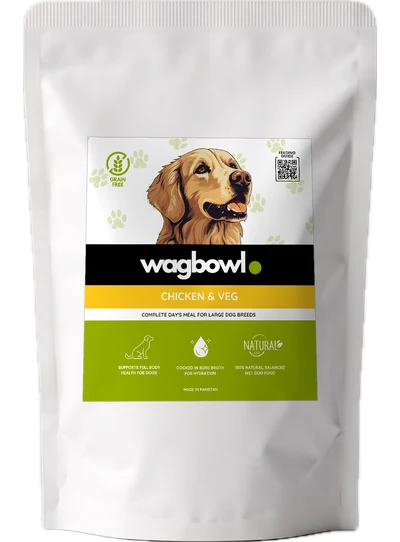
The Chicken & Veg dog food is a hypoallergenic, grain-free formula designed for dogs with sensitivities to grains or beef. It features premium chicken and fresh vegetables, making it both easily digestible and nutritious. This recipe includes natural additives to promote bone health and a shiny coat, supporting overall well-being.
View Product